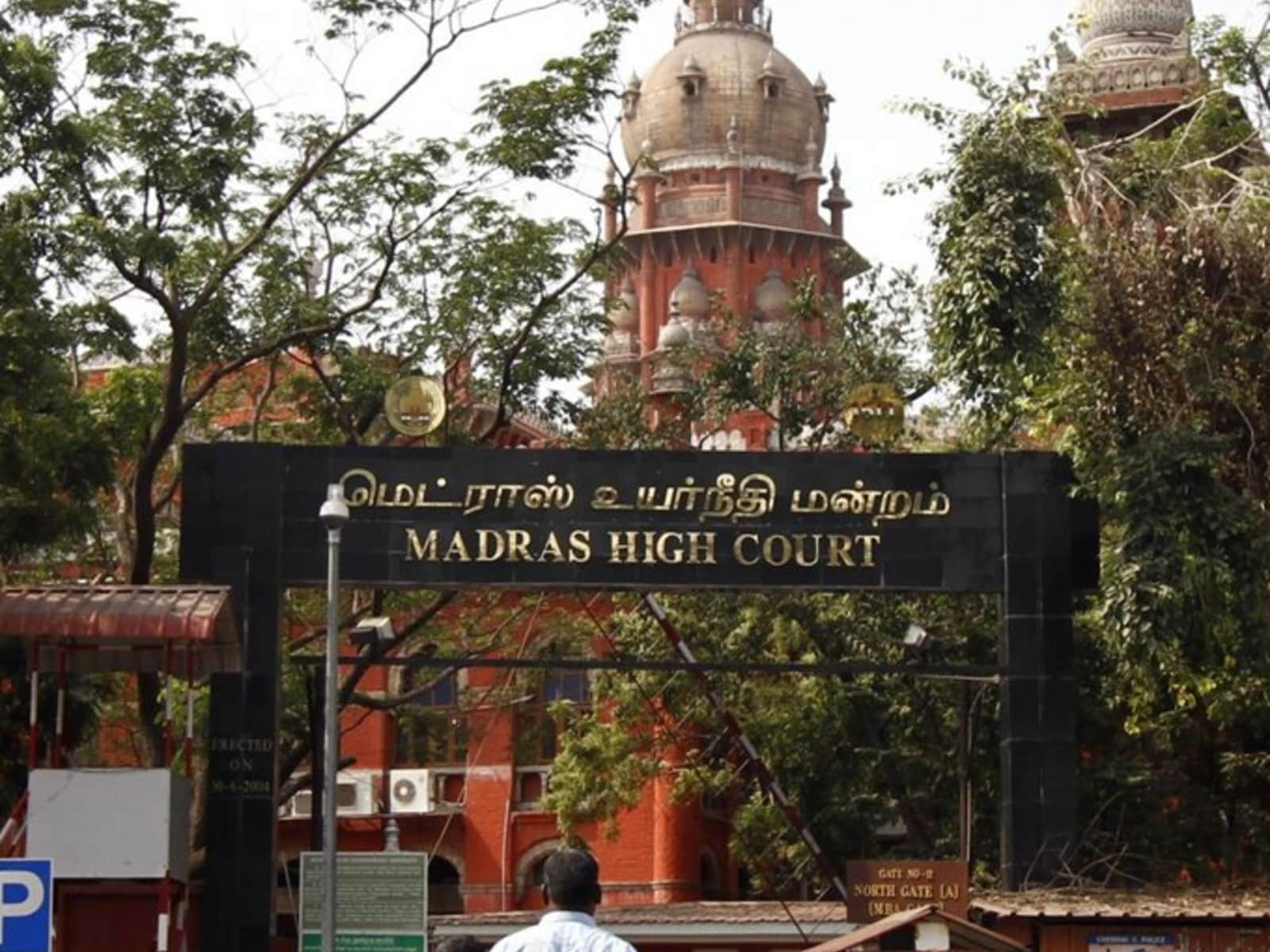
Election Process Finality Explained: Madras High Court Rejects SMS Voting Confirmation Plea
Madras High Court reiterates that election procedures cannot be altered once the process begins. Learn the legal principle of election finality with case law analysis.
Election Process Finality in India – Madras High Court Judgment Explained
On April 10, 2026, the Madras High Court dismissed a plea seeking implementation of SMS-based voting confirmation, holding that once the election process has commenced, procedural changes are not legally permissible.
The Division Bench comprising Chief Justice S.A. Dharmadhikari and Justice G. Arul Murugan reaffirmed the settled principle of “election process finality” under Indian law.
What is Election Process Finality?
Election process finality means that once the election schedule is notified and the process begins, courts generally do not interfere or allow changes in procedure until the election is completed.
- No mid-process rule changes
- No judicial disruption of election timeline
- Disputes must be raised through election petitions after results
Why Did the Court Reject SMS Voting Confirmation?
The petitioner sought SMS-based confirmation to improve transparency. However, the court rejected the plea because:
- The election process had already commenced
- Any procedural change would disrupt the system
- Election reforms must be introduced before notification
Legal Provisions Involved
- Article 324 of the Constitution of India – Powers of Election Commission
- Representation of the People Act, 1951
- Judicial restraint during elections
Important Case Laws on Election Finality
- Election Commission of India vs Ashok Kumar (2000) – Courts should not interfere once election process begins
- N.P. Ponnuswami vs Returning Officer (1952) – Election disputes must be resolved through election petitions
When Can Courts Interfere in Elections?
Courts may intervene only in rare situations such as:
- Violation of fundamental rights before election notification
- Clear illegality not affecting election schedule
Otherwise, the proper remedy is an election petition after results.
Legal Analysis
The judgment reflects judicial discipline and respect for democratic processes. While technological solutions like SMS confirmation may enhance transparency, implementing them during an ongoing election could create administrative complications and legal uncertainty.
The court has clarified that reforms must be introduced through legislative or Election Commission mechanisms before the election process begins.
Conclusion
The Madras High Court’s decision strengthens the doctrine of election process finality and ensures that elections proceed without disruption. It also reinforces that judicial remedies in election matters are structured and time-bound.
FAQ – Election Law in India
Can election rules be changed after the process starts?
No. Once elections begin, rules cannot be altered until completion.
Can courts stop elections in India?
Generally no. Courts avoid interfering during the election process.
What is the remedy for election disputes?
Election petition filed after declaration of results.
What is Article 324?
It gives the Election Commission power to conduct and manage elections.
Legal Assistance
For legal consultation on election law, writ petitions, or constitutional matters, contact SK Law House, Vandavasi.
Disclaimer: This article is for legal awareness and SEO educational purposes. It is based on publicly available information and does not constitute legal advice.