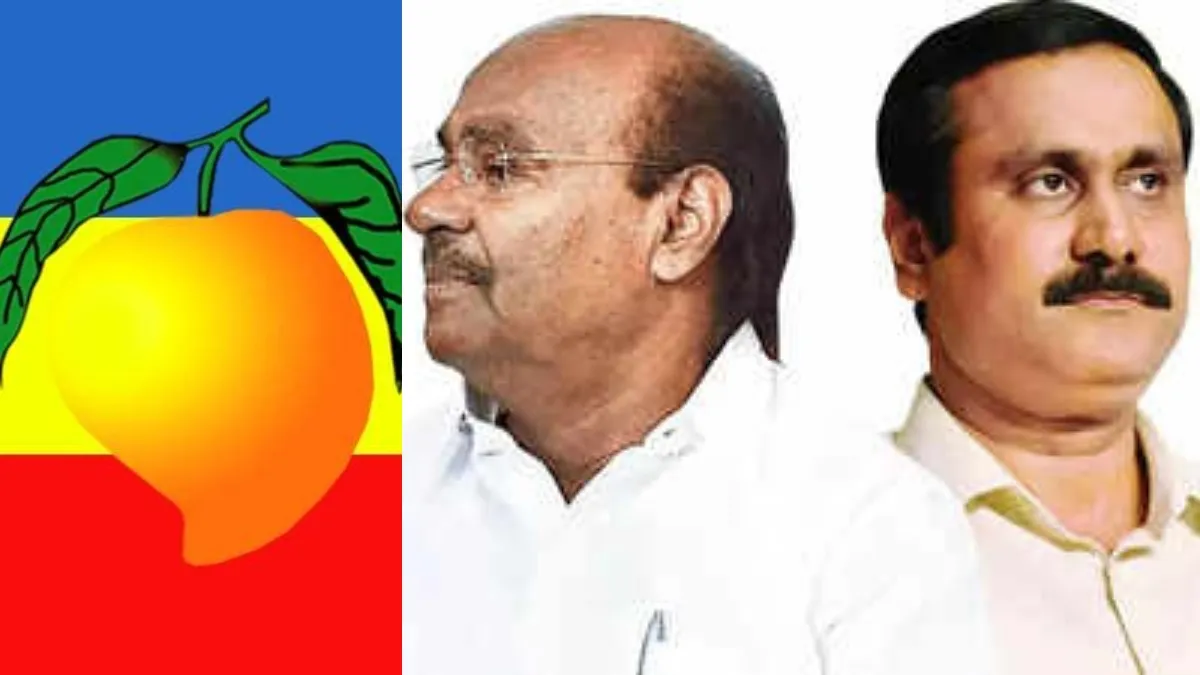
‘Mango’ Symbol Case Explained: Madras High Court Refuses to Freeze PMK Election Symbol
Madras High Court upheld refusal to freeze PMK’s ‘mango’ symbol, highlighting election symbol rules and the role of the Election Commission.
‘Mango’ Symbol Case – Legal Analysis of Madras High Court Decision
On April 10, 2026, the Madras High Court dismissed a civil revision petition filed by PMK founder Dr. S. Ramadoss, seeking to freeze the ‘mango’ election symbol. The Court upheld the earlier decision refusing such relief, noting that the party had already lost its reserved symbol status due to electoral performance.
Background of the Case
The petitioner approached the court seeking protection of the ‘mango’ symbol, which was previously associated with the party. However, under election law, symbols are governed strictly by the Election Commission of India (ECI), and their allocation depends on recognition status.
The High Court refused to interfere, reinforcing the authority of the Election Commission in such matters.
What is a Reserved Election Symbol?
A reserved symbol is allotted to a recognized political party by the Election Commission. It is exclusive to that party across elections.
- Recognized parties retain exclusive symbols
- Loss of recognition leads to loss of symbol
- Symbols may be reallocated to others
Why Did PMK Lose the ‘Mango’ Symbol?
As per Election Commission rules, a political party may lose its reserved symbol if it fails to meet required electoral performance criteria.
Once recognition is lost:
- The symbol is no longer exclusively reserved
- The party cannot claim automatic rights over it
- Fresh allotment rules apply
Legal Issue Before the Court
The primary question was whether the court could direct authorities to “freeze” or protect a symbol despite loss of recognition.
The High Court answered in the negative, emphasizing that:
- Election symbols fall under the jurisdiction of the Election Commission
- Courts exercise limited interference in election-related matters
Legal Framework Governing Election Symbols
- Article 324 of the Constitution of India – Powers of Election Commission
- Election Symbols (Reservation and Allotment) Order, 1968
- Recognition criteria for political parties
Judicial Approach in Election Matters
Courts generally avoid interfering in election administration unless there is clear illegality. Symbol allocation is considered an administrative function of the Election Commission.
Key Takeaways from the Judgment
- Election symbols are not permanent property of political parties
- Recognition status determines symbol rights
- Courts will not override Election Commission decisions lightly
Conclusion
The Madras High Court’s decision reinforces the principle that election symbols are regulated by statutory rules and the authority of the Election Commission. Political parties must maintain electoral performance to retain recognition and associated symbols.
FAQ – Election Symbol Law in India
Can a political party permanently own an election symbol?
No. Symbols are allotted based on recognition status and governed by Election Commission rules.
What happens if a party loses recognition?
It loses its reserved symbol, which may be allotted to others.
Can courts interfere in symbol allocation?
Only in exceptional cases of illegality. Normally, it is within the Election Commission’s domain.
What law governs election symbols?
The Election Symbols (Reservation and Allotment) Order, 1968.
Legal Assistance
For legal consultation on election law, civil revision petitions, or constitutional matters, contact SK Law House, Vandavasi.
Disclaimer: This article is for legal awareness and is based on publicly available information. It does not constitute legal advice.
Also read: Writ Petition Filing Services | Civil Case Legal Support | Election Process Finality Explained